
Tankless Water Heater Installation in Midlothian, VA
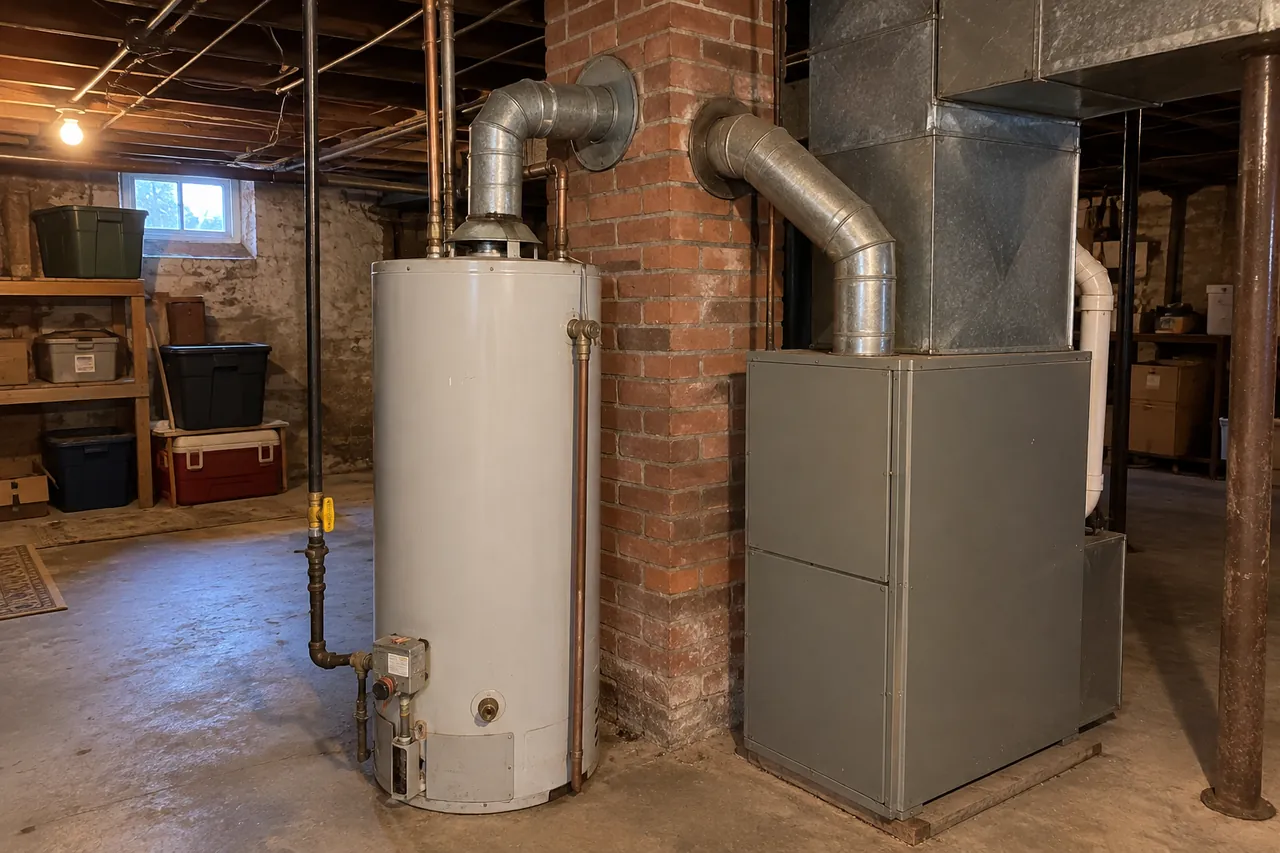
Most tankless installations in Midlothian start with a 40- or 50-gallon tank coming out of a garage, basement or closet. Swapping it for a tankless unit is more than a new box on the wall: the gas line, the vent, the power and the water connections all change. Here's what's involved, what to ask, and where the job can go wrong.
Conversion or like-for-like?
A like-for-like replacement, one tankless unit for another, can often reuse the gas line, vent route, outlet and service valves that are already there, as long as the new model's manual allows it. A conversion from a tank is the bigger job, and it's the one most Midlothian homeowners are pricing. The rest of this page is mostly about conversions.
The gas side: pipe, meter and your gas company
A whole-house gas tankless unit burns a lot of gas for short stretches. The Department of Energy's rules treat gas instantaneous water heaters with an input of 200,000 BTU per hour or less as consumer water heaters, and many whole-house models are rated just under that line. That is several times what a typical tank's burner uses. Three things follow from that:
- The gas pipe inside the house. Pipe size comes from the total load of every gas appliance and the length of the run, using the sizing tables in the fuel gas code. The pipe that fed a tank is often too small, so a conversion commonly includes a new, larger line from the meter or the main branch.
- The meter. The meter has to keep up with the furnace, range, fireplace and tankless unit all running together. Richmond Gas Works asks customers who are adding gas appliances for the BTU load of each existing and new appliance, so it can size the meter and confirm the pressure. If Columbia Gas of Virginia serves your house, contact it about the added load before the job too. A meter change can add lead time, so the contractor should check the load early.
- Which company it is. In the Midlothian area your gas comes from either Columbia Gas of Virginia or Richmond Gas Works, depending on the street. Your bill says which. Only Columbia Gas customers can apply for its WarmWise water heater rebate.
On propane, the supplier needs to know too. The tank, regulator and line have to supply a high-demand appliance, especially on a cold morning. More on gas, propane and electric.
Venting: a new pipe, not the old chimney
The installation manuals for the common tankless brands say not to vent a tankless unit into an existing chimney or into a vent shared with another appliance, so a conversion almost always gets its own new vent.
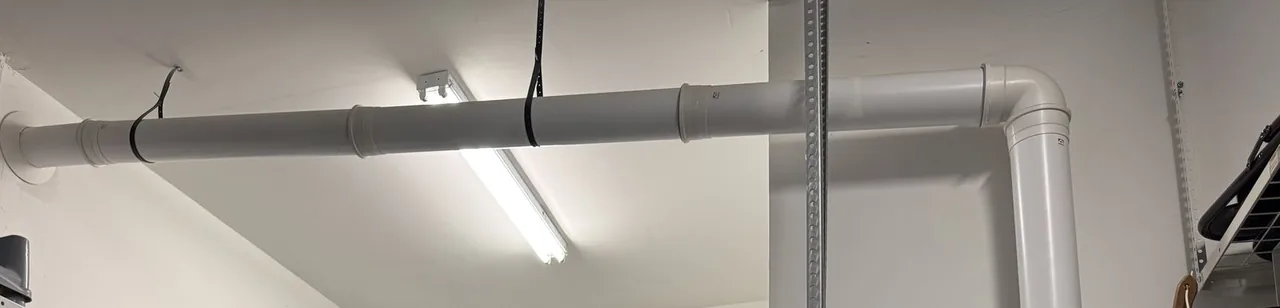
- Condensing units have cooler exhaust and usually vent through plastic pipe the manufacturer approves, often one pipe for exhaust and one for combustion air.
- Non-condensing units have hotter exhaust and need metal venting rated for it, usually stainless steel.
- Where it comes out matters as much as the pipe. The manual and the code set minimum distances from windows, doors, air intakes, the gas meter and the ground. On a Midlothian house with a deck, a low roofline or a heater in the middle of the basement, the vent route can decide where the unit goes.
If your neighborhood has architectural guidelines, a vent on a wall that faces the street, or a unit mounted outside, may need approval. Ask before the work is scheduled, not after.
If the furnace shared the old chimney
In many older homes, the gas water heater and the gas furnace vent into the same masonry chimney. Take the water heater out and the furnace is left venting alone into a flue that was sized for two appliances. That can leave the furnace drafting poorly, and an oversized, cold flue can collect condensation.
Ask the contractor how they'll check the furnace's draft once the tank is gone, and what they'll do if it fails. Common fixes include a properly sized chimney liner or a new vent for the furnace. If a new furnace is on your list in the next few years anyway, mention it, because the venting plan may change.
Drain, power and water connections
- A condensate drain for condensing units. The condensate is mildly acidic, so it usually runs through a neutralizer to a floor drain, a laundry standpipe or a small condensate pump. In a garage with no drain nearby, plan for the pump.
- A 120-volt outlet near the unit. Gas tankless units need electricity for their controls and fans, so they don't make hot water when the power is out.
- Service valves on the water lines, so the unit can be shut off and flushed without draining the house. They cost little at install time and save hassle at every flush. See flushing and maintenance.
- A pressure relief valve as the manual requires, piped to a safe spot.
- Recirculation, if you want it. In a long two-story house, the wait for hot water at the far bathroom can feel longer with tankless. Some units have a built-in pump, and others work with an add-on. Ask what the model you're quoted supports.
Where the unit can go in a Midlothian house
| Location | What to think about |
|---|---|
| Garage | The most common spot. An outside wall is usually close for a short vent run. Plan the condensate drain, and keep the unit clear of where the car parks. |
| Basement | Often where the old tank and furnace share a chimney. The vent may need a longer run to reach an outside wall, and the furnace's draft needs checking. |
| Crawlspace | Possible with some models, but tight for service and flushing. Ask about access, freeze protection and where the condensate goes. |
| Closet or utility room | Saves floor space. Check the manual's clearances, especially in front of the unit for service, and the vent route out of the house. |
| Attic | Less common. Leaks, condensate and winter freezing all become bigger risks, and so does getting to the unit. |
| Outside wall | Outdoor models free up indoor space and need no vent pipe, but they rely on electric freeze protection and may need HOA approval. |
Sizing for a January morning
A tank is sized in gallons. A tankless unit is sized by flow: how many gallons a minute it can heat, and by how many degrees. The Department of Energy suggests assuming water comes in at 50°F unless you know otherwise. To reach 120°F at the tap, the unit has to raise the water 70 degrees.
Then count what runs at the same time on your busiest morning. The Department of Energy's sizing example uses a 2.5-gallon-per-minute shower head and a 0.75-gallon-per-minute faucet. Two showers and a bathroom faucet at once come to about 5.75 gallons a minute. Ask the contractor for the model's flow at a 70-degree rise, not just its maximum flow rating, which is usually measured at a much smaller rise.
What commonly goes wrong
- Keeping the old, undersized gas pipe, so the unit starves for gas when the furnace is also running.
- Tying the new unit into the old chimney or the furnace's vent.
- Pulling the water heater off a shared chimney without checking how the furnace drafts afterward.
- No service valves, which turns every flush into a bigger job.
- Picking a model by its maximum flow instead of its winter flow.
- Running the condensate somewhere it can damage a floor or a wall.
- Skipping the permit. A gas appliance replacement in Chesterfield County needs one. See the permits guide.
Before you sign a conversion quote
- What size gas line are you running, and from where?
- Have you checked the meter's capacity with my gas company?
- Where will the vent come out of the house?
- How will you check the furnace once the tank is out?
- Are service valves, the condensate drain, the outlet, haul-away of the old tank and the permit all included?
- What's the unit's flow at a 70-degree temperature rise?
How to check a contractor's license, and more questions to ask.
Installation questions
Can my existing half-inch gas line run a tankless unit?
Sometimes, for a short run and a smaller unit, but often not for a whole-house model. It depends on the total load on that line and its length. The installer should size it from the fuel gas code's tables and the unit's manual, not by eye.
Do I need a bigger gas meter?
Maybe. Add up the BTU ratings of everything gas in the house, including the new unit, and give the total to your gas company. It can tell you whether the meter and the pressure at the meter will keep up.
Can a tankless unit go where my tank is now?
Often, yes. The main limits are a vent route to the outside, the manual's clearances, a drain for condensate, and access for flushing.
Is an outdoor tankless unit a good idea here?
It can be. Outdoor models are built for it and skip the vent pipe, but they depend on electric freeze protection in winter, so a long power outage in freezing weather is a risk. Check any HOA rules too.
Related pages
Talk to a tankless contractor in Midlothian
Call or send a short request, and it goes to one independent local contractor. The referral costs you nothing.